The first time a game teaches you to parry, it usually does so through failure. You raise your weapon too early, watch the enemy's blade pass harmlessly by, and then get hit during the recovery animation. A few attempts later, the timing clicks. The attack stops being a threat and becomes an invitation. So, is parrying a real thing, or is it just a dramatic name for a very short block window? The answer depends on what we mean by real.
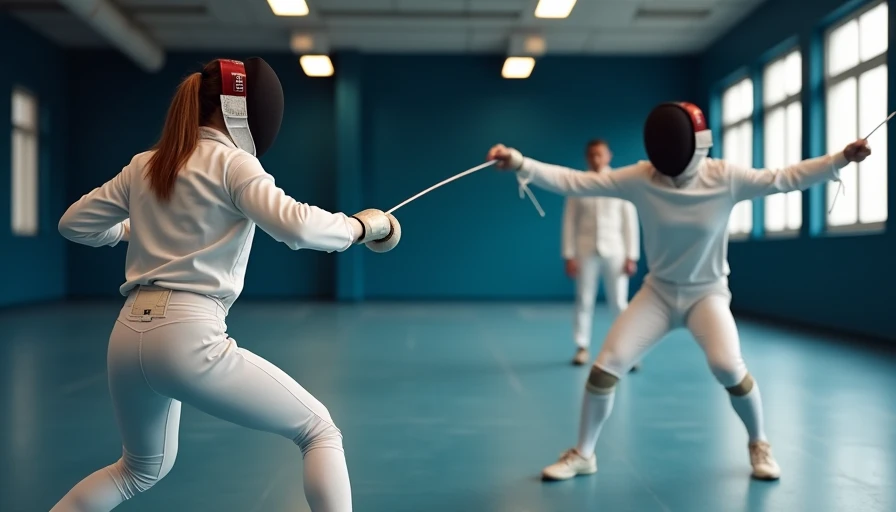
In physical combat, people do redirect attacks with a weapon, shield, or controlled movement. Games borrow that idea, then compress it into readable inputs, animation states, collision checks, and reward rules. The result is not a simulation of fencing. It is a playable system that produces the sensation of having read an opponent correctly. The numbers are evidence. The experience is the conclusion.
What parrying actually does in a game
At its simplest, a parry is a defensive action that succeeds only during a narrow period before an incoming strike connects. The game checks several conditions at once: whether the player is in the correct animation, whether the enemy attack is active, whether the distance is valid, and whether the timing falls inside the allowed window.
That window is often more generous than it feels. A game might accept an input several frames before contact and still present the result as a last-second deflection. This is not dishonesty. It is calibration. Human reaction time is inconsistent, displays add latency, and an attack telegraph is rarely perfectly clear. Designers widen the effective window so the player can learn a repeatable rhythm rather than fight the television.
This is why is parrying a real thing is less useful as a yes-or-no question than it first appears. The physical action is real in the broad sense, but the game mechanic is an authored interpretation. Its purpose is not to reproduce every wrist angle. Its purpose is to connect anticipation with consequence.
The hidden parts of the timing window
When I investigate a parry system, I separate three moments that players often experience as one. The first is the input window: when the button press is accepted. The second is the active defensive window: when the character can actually deflect an attack. The third is the feedback window: when the game communicates success through sound, sparks, recoil, slow motion, or a stagger.
These moments do not always overlap. A character may begin a shield animation immediately, but the defensive hitbox may appear a few frames later. Conversely, a game may accept a late input and quietly apply a forgiving result. If the audiovisual feedback arrives with a sharp metallic sound, players often remember the timing as tighter than it was.
Latency complicates the picture. At 60 frames per second, one frame lasts about 16.7 milliseconds. A difference of six frames is roughly 100 milliseconds, which can feel enormous in a demanding action game. Display mode, controller wireless delay, frame pacing, and animation readability all affect the player's practical timing. Two players can use the same mechanic and report different levels of difficulty without either one misunderstanding it.
Why a successful parry feels different from a block
A block usually reduces danger. A parry changes ownership of the encounter. The enemy begins the attack with initiative, but a successful deflection interrupts that plan and gives the player a short advantage. That reversal is the emotional center of the mechanic.
The reward can take several forms. Some games deal posture damage, making the opponent vulnerable to a critical strike. Others create a brief stun, restore stamina, expose a weak point, or simply prevent all incoming damage. The exact reward changes the optimal strategy. If a parry only saves health, cautious players may use it occasionally. If it opens a large damage opportunity, the system becomes central to combat.
This is also where sound matters more than many design documents admit. A normal block may produce a dull thud. A parry needs a distinct confirmation: a bright ring, a heavy impact, or a sudden pause. That signal teaches the player that the action was not merely defensive. It was correct. I used to make a version of this mistake by tuning the numbers first and the feedback second. Players cannot learn a window they cannot perceive.
Is parrying a real thing in every combat system?
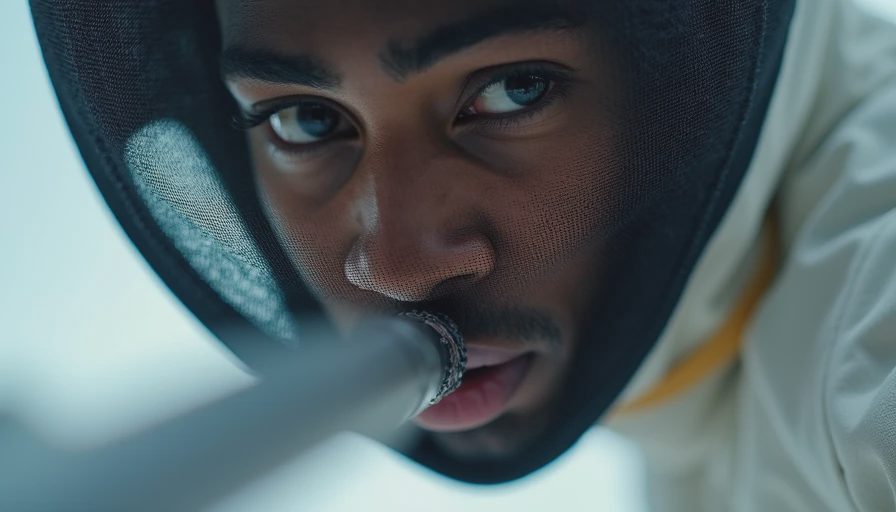
No. The word is used broadly, and not every game means the same thing by it. In one system, parrying may be a manually timed shield tap. In another, it may be an automatic counter triggered by holding a stance. A third game may call a perfect dodge a parry because both actions interrupt an attack and create a punish opportunity.
The distinctions matter when studying how a combat system teaches trust. A manual parry asks the player to predict contact. A perfect dodge asks the player to move away at the correct moment. A counter stance may ask the player to identify a particular attack type. These are different information problems, even when the animation looks similar.
The clearest sign of a genuine parry mechanic is not the button label. It is the relationship between attack timing and defensive timing. If changing the enemy's strike rhythm changes when the player must act, the system is testing anticipation. If the result happens regardless of timing, it is probably a stance or scripted counter instead.
How to test a parry system without guessing
I would begin with a controlled enemy rather than a crowded battlefield. Find an opponent with one readable attack and record several attempts. Look for the first frame of the attack's damaging motion, the earliest successful input, and the latest successful input. You do not need specialized capture hardware for a useful first pass. A phone recording at 60 frames per second can reveal whether your impression of a tiny window is accurate.
Then test distance. Some systems check weapon contact, while others use a generous radius around the player. Stand close, move back slightly, and repeat the same input. If the result changes, spacing is part of the mechanic. Test attack direction as well. A parry may work against frontal strikes but fail against attacks from behind or from outside the active guard arc.
Finally, remove the reward temporarily from your analysis. Ask what the system teaches before asking whether it is powerful. Does the enemy telegraph a recognizable pattern? Does failure explain what happened? Does success produce immediate confirmation? A difficult parry can still feel fair when its information is clean. An easy one can feel broken when the game hides the timing.
Why some parries feel fake, and others feel physical
A parry feels physical when the attack, input, contact, and reaction appear causally connected. The enemy's weapon travels into the player's guard, the impact stops its momentum, and both characters respond in a way that preserves the exchange. The underlying code may use a simple timing flag, but the presentation makes that flag legible.
It feels fake when the outcome appears detached from the scene. The player presses a button while facing the wrong direction, an enemy several feet away snaps into a stagger, or a successful input produces no immediate feedback. Those choices can still be useful for accessibility or spectacle, but they weaken the illusion of contact.
So, is parrying a real thing? It is real as a family of physical ideas, real as a measurable input system, and fictional as a literal recreation of combat. That combination is why it works. The game does not need to reproduce a complete martial discipline. It needs to make a brief prediction visible, testable, and meaningful. Watch the window, listen for the confirmation, and treat every successful deflection as evidence about the machinery underneath.




No entries yet — sign the first.