Feel Is a System
Translating subjective sensations like weight, responsiveness, dread, flow, and immersion into observable video game design variables.
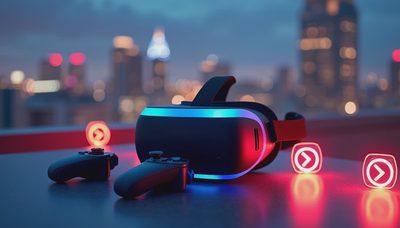
What a VR Set Reveals About Immersion in Games
A vr set is not just a screen: it is a timing system. Learn how head tracking, friction, comfort, and feedback shape imm...

ps2 horror games and the Systems That Still Make Them Unsettling
Explore ps2 horror games through systems of tension, pacing, sound, and save design. See why classics still unsettle pla...

coop horror games and the Systems That Make Fear Social
Coop horror games turn communication, distance, and scarce information into shared tension. Learn how multiplayer fear e...

How a Puzzle Platformer Horror Adventure Game Builds Dread Through Systems
Explore how a puzzle platformer horror adventure game creates dread through movement, timing, sound, space, failure, and...

Best Roblox Horror Games: The Systems That Make Them Scary
Explore the best roblox horror games by studying tension, sound, pursuit, uncertainty, and failure systems that turn sim...

College of Swords Bard: How Combat Rhythm Becomes the Build
College of Swords Bard explained through combat rhythm, flourishes, positioning, and resource timing in Baldur’s Gate 3,...
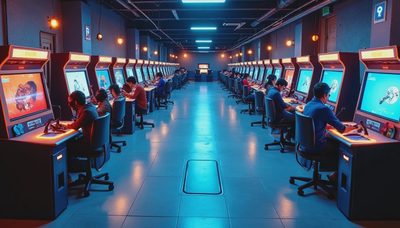
location based vr experiences: When Space Becomes a Game Mechanic
Location based vr experiences reveal how physical space changes immersion. Explore movement, feedback, pacing, and the d...

Godslayer's Greatsword: The Slow Weapon That Turns Patience Into Damage
Godslayer's Greatsword explained: requirements, Queen's Blackflame, damage feel, upgrade path, and why its slow rhythm r...

Scariest Horror Games and the Systems That Make Fear Last
Scariest horror games do more than surprise you. Explore pacing, sound, resource pressure, enemy behavior, and player tr...